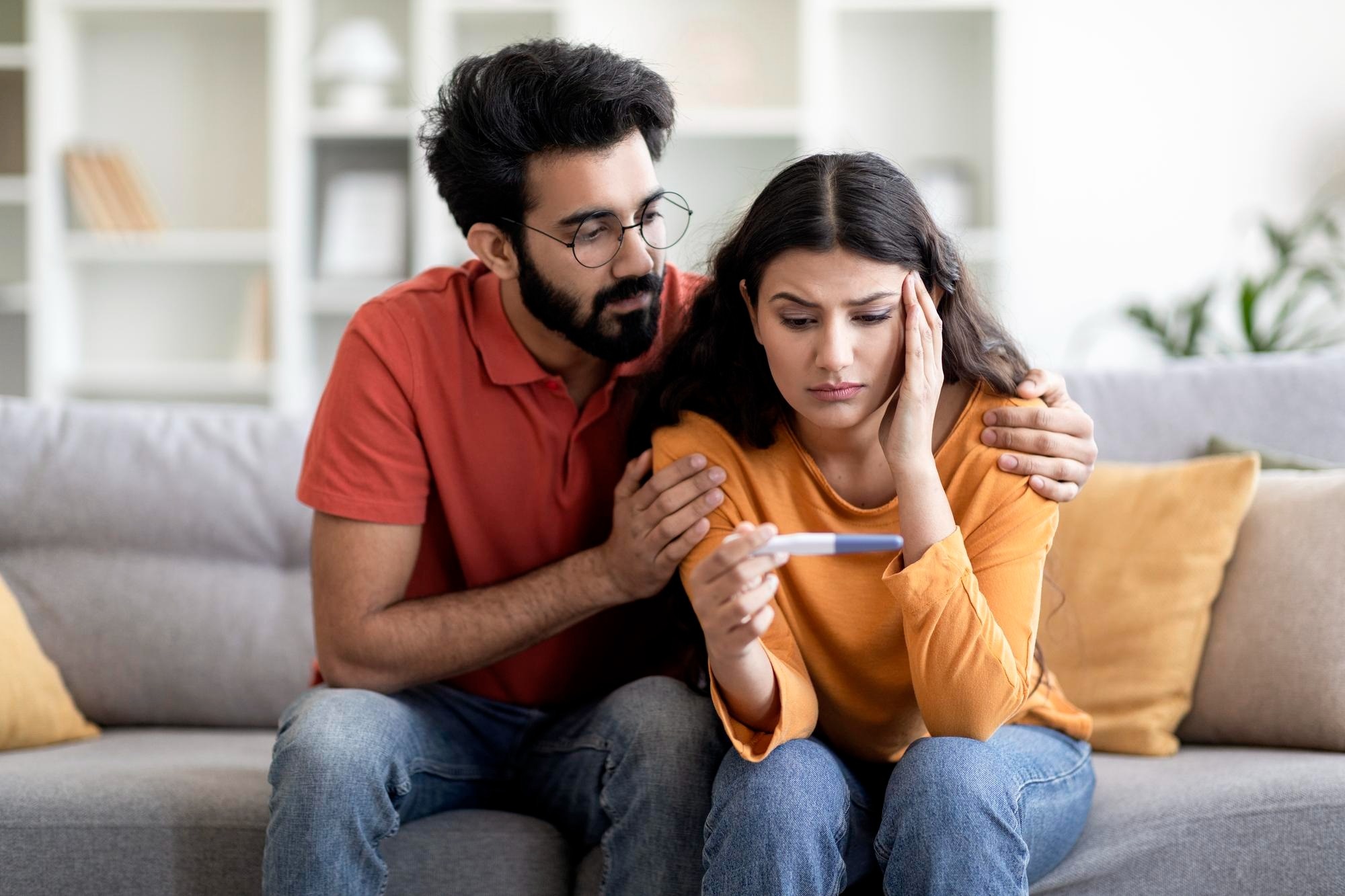
Do not wait a full year when there is a clear risk to sperm production, ejaculation, or the reproductive tract. You will know when to seek assessment, what the first visit involves, how to prepare for semen testing, and why one abnormal result rarely settles the question.
Key takeaways
- Seek evaluation after 12 months without pregnancy despite regular unprotected intercourse.
- Start after six months when the female partner is 35 or older.
- Seek immediate assessment after a clear fertility risk or when she is over 40.
- Follow semen analysis instructions and discuss abnormal results before drawing conclusions.
When should a man seek a fertility evaluation?
After 12 months without pregnancy despite regular, unprotected intercourse, seek a male fertility evaluation with your partner. Start after 6 months when the female partner is 35 or older, and seek assessment immediately when she is over 40 or either partner has a clear fertility risk.
This male fertility evaluation timing reflects the couple’s fertility, not the woman’s alone.
Seek earlier assessment in these situations:
- Azoospermia, prior infertility, severe erectile or ejaculatory dysfunction, or another known reproductive problem.
- Undescended testes, testicular injury or surgery, known testicular, endocrine or genetic disease, or a history of chemotherapy or pelvic radiation.
- Current or previous testosterone or anabolic-steroid use.
Male factors are found in approximately 40%–50% of infertile couples, so both partners should be assessed at the same time. Delaying the man’s evaluation can leave an important, treatable cause undiscovered.
Do not use symptoms to judge fertility. Many men with abnormal semen parameters have no noticeable symptoms, while sperm concentration, movement and shape can vary between ejaculates. The initial assessment usually includes a reproductive and sexual history, medication and exposure review, physical examination and one or more semen analyses.
Tell the clinician about low libido, painful intercourse, retrograde ejaculation, anejaculation or difficulty timing intercourse. Do not stop prescribed testosterone or other medication without the prescribing clinician.
What happens at the first male fertility appointment?
Expect a focused review, not an automatic battery of tests. The first male fertility appointment usually starts with your medical and sexual history, then uses those findings to decide which tests add value.
The clinician will ask about:
- Previous pregnancies or infertility, puberty, undescended testes, infections, testicular injury or surgery, cancer treatment, and family history.
- Libido, erections, ejaculation, painful intercourse, retrograde ejaculation, anejaculation, and whether you can time intercourse.
- Prescribed medications and supplements, testosterone, anabolic steroids, recreational drugs, heat or occupational exposures, and previous pelvic or testicular procedures.
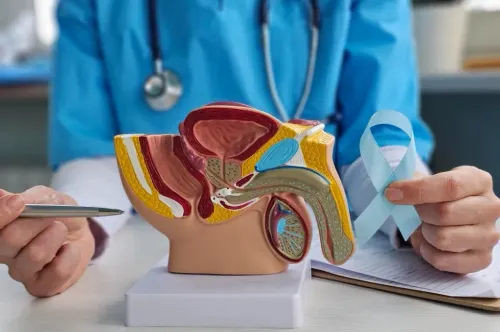
A physical examination for male fertility may assess testicular size, the vas deferens, the epididymis, and a palpable varicocele. Bring previous semen reports, fertility-treatment records, hormone results, and operative notes so the clinician can compare findings instead of repeating information unnecessarily.
Dr Zaffar Sayed Urologist can be relevant when you need a focused urological examination, interpretation of male-factor findings, or discussion of surgical and minimally invasive options.
Do not stop a prescribed medicine on your own. Tell the clinician what you take, including testosterone or anabolic steroids, and ask the prescribing clinician about any change or replacement plan.
Related service
Male Infertility Male infertility is a man inability to cause pregnancy in a fertile female, commonly due to deficiency of sperm cells in the semen. View service → |
How should you prepare for a semen analysis, and what does it show?
Prepare by following the laboratory’s instructions exactly; collection errors can make an otherwise useful result difficult to interpret.
- Maintain 2 to 7 days abstinence before collection. Do not ejaculate during this period.
- Collect the entire sample directly into the laboratory-provided container. Do not use household containers.
- Avoid lubricants, saliva and condoms unless the laboratory supplies a sperm-safe collection condom.
- Keep the container as instructed and deliver it within the laboratory’s stated time and temperature limits. Follow its instructions rather than guessing.
- Tell staff if any portion was spilled, missed, collected outside the container or affected by another collection problem. Do not silently submit an incomplete sample.
The report lists semen analysis parameters including semen volume, sperm concentration, total sperm number, motility, progressive motility, morphology, vitality and white blood cells. Motility describes movement; progressive motility describes forward movement. Morphology describes sperm shape, while vitality shows how many sperm are alive.
Low sperm count is called oligozoospermia, poor motility is asthenozoospermia, abnormal morphology is teratozoospermia, and no sperm in the ejaculate is azoospermia. These labels describe findings, not complete diagnoses.
A semen analysis is not a yes-or-no fertility test. A result within the laboratory reference range does not guarantee conception, and one borderline value does not prove infertility. Sperm results can vary between ejaculates, so an unexpected abnormal result often needs clinical interpretation and repeat testing.
Why is repeat semen testing and targeted testing sometimes needed?
An abnormal first semen analysis is a reason to repeat testing and investigate, not a final diagnosis of permanent infertility. Sperm concentration, motility and morphology fluctuate between ejaculates, so one report cannot establish permanent infertility.
1. Arrange a repeat semen analysis after roughly 2 to 3 months, allowing for a new sperm production cycle. Guidelines support at least one additional analysis, and a clinician may repeat it sooner when the result is severely abnormal or the clinical situation demands it.
2. Choose hormone tests from the examination and semen findings rather than using a routine checklist. Morning total testosterone and follicle-stimulating hormone (FSH) are especially useful with azoospermia, severe oligozoospermia, testicular atrophy, low libido, erectile dysfunction or signs of hormonal disease. LH, prolactin and thyroid testing follow the initial findings.
3. Use genetic testing in male infertility selectively. Karyotype and Y-chromosome microdeletion testing target azoospermia or severe oligozoospermia with impaired sperm production, because the result can affect sperm-retrieval prospects and the health of future male children.
4. Match other tests to specific clues. Scrotal ultrasound assesses selected testicular or scrotal findings, while post-ejaculation urine testing investigates suspected retrograde ejaculation.
Genetic counselling is important when testing could identify an inherited cause. It helps you understand whether sperm retrieval is realistic and whether a finding could be passed to male offspring.
What should you do after the results?
An abnormal semen analysis is a prompt for the next decision, not a label from one number. Ask what happens after abnormal semen analysis: whether you need another sample, hormone testing, examination, or treatment.
Azoospermia evaluation requires specialist assessment to distinguish a blocked reproductive tract from impaired sperm production. The clinician considers semen volume and pH, examination findings, hormone levels and, when indicated, genetic testing.
| Finding | What it may indicate | Possible treatment direction |
|---|---|---|
| Low-volume or acidic semen with blockage findings | Reproductive-tract obstruction | Reconstruction or sperm retrieval |
| Small testes, high FSH or absent sperm production | Impaired sperm production | Sperm retrieval, assisted reproduction or genetic counselling |
| Hormonal abnormality | Endocrine cause | Treatment of the underlying endocrine disorder |
The link between varicocele and male fertility matters when infertility and abnormal semen parameters occur together. A palpable clinical varicocele can justify discussing repair; an imaging-only, nonpalpable varicocele is not automatically a reason for surgery.
Testosterone suppresses sperm production by reducing pituitary signals. Prescribed, compounded or anabolic-steroid testosterone can markedly reduce or stop sperm production, so disclose all use; fertility-preserving alternatives require specialist management.
Bring both partners’ results to follow-up and ask:
- Which finding changes the plan?
- Do I need another semen analysis?
- How long will each option take?
Frequently asked questions
When should a man seek a fertility evaluation?
Seek evaluation after 12 months without pregnancy despite regular, unprotected intercourse. Start after six months when the female partner is 35 or older, and seek assessment immediately when she is over 40 or either partner has a clear fertility risk.
What happens at the first male fertility appointment?
The appointment usually includes a detailed medical, surgical, sexual and lifestyle history, a physical examination, and a plan for semen analysis or other targeted tests.
How should you prepare for a semen analysis?
Follow the laboratory’s instructions about abstinence, sample collection, transport and timing. Provide the complete sample and tell the laboratory if any part is missed or the instructions are not followed.
What does a semen analysis show?
A semen analysis assesses semen volume and sperm features such as concentration, movement and shape. One result does not fully establish fertility because values can vary between samples.
Why might repeat semen testing or targeted testing be needed?
Repeat testing confirms whether an abnormal finding persists. Targeted tests help investigate specific concerns identified through the history, examination or semen analysis.