A sexual problem deserves medical attention when it is repeated, painful, distressing, linked to urinary or testicular changes, or accompanied by a broader health concern. You will be able to sort emergency symptoms from routine concerns, choose between a urologist and an andrologist, and prepare useful information for the appointment.
Key takeaways
- See a urologist first for erections, ejaculation, curvature, testicular, urinary or prostate symptoms.
- Seek emergency care for sudden severe testicular pain, penile injury or an erection lasting four hours.
- Record symptom timing, medications, medical conditions and changes in erections or ejaculation.
- A new sexual problem can accompany diabetes, cardiovascular disease, hormone disorders or medication effects.
Which specialist should you see for a sexual problem?
A urologist is the broadest first choice for sexual problems involving erections, ejaculation, penile curvature, testicular pain or lumps, urinary symptoms, infections, prostate concerns, or suspected structural disease.
Urologist | Andrologist Focus | Urinary tract, prostate, testes, penis, infections, structural disease, and sexual symptoms | Male reproductive health, sperm production, fertility, hormones, sexual function, and testosterone-related symptoms Best starting point | Unclear diagnosis or symptoms involving pain, lumps, urine, or anatomy | A clearly defined fertility, sperm, hormone, libido, or reproductive concern Referral route | Direct appointment or referral from a general doctor | Referral route varies; the clinician is usually a urologist or related specialist with extra training in male reproductive medicine
See a urologist if you are unsure. The assessment can show whether you need andrology, endocrinology, sexual-medicine, mental-health, or cardiovascular care.
Book an appointment for erectile difficulty that is persistent, recurrent, or distressing; do not wait until it becomes constant. For a male infertility evaluation, seek care after 12 months of regular unprotected intercourse without pregnancy, or sooner after:
- Undescended or absent testes
- Testicular or pelvic surgery, chemotherapy, recurrent testicular pain, or sexual dysfunction
Both partners should usually be assessed in parallel. A testosterone test alone does not evaluate infertility: semen analysis is central, and an abnormal result is commonly repeated because sperm measurements vary.
Which sexual symptoms need emergency care?
Go to an emergency department now for sudden severe testicular pain, especially with nausea, vomiting, a high-riding testis, or an abnormal testicular position. This pattern suggests testicular torsion, which can destroy blood supply quickly. Do not wait for a routine andrology appointment or delay urgent treatment for an ultrasound when torsion is strongly suspected.
Seek emergency care for these symptoms:
- An erection lasting four hours or longer: treat this as priapism four hours, not a problem to watch at home. Ischemic priapism can permanently damage erectile tissue, so do not wait for it to resolve or repeat home remedies.
- A penile injury popping sound during sex followed by immediate loss of erection, swelling, bruising, or deformity. This may indicate a penile injury requiring urgent assessment.
- Inability to pass urine, or fever with testicular pain or urinary symptoms.
| Symptom | Action | Why it matters |
|---|---|---|
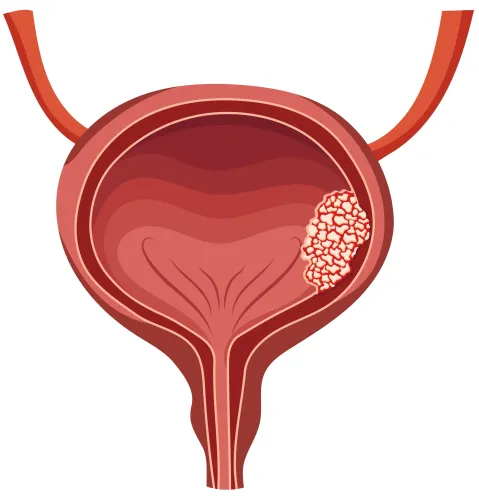
| Blood in urine or recurring blood in semen | Arrange prompt medical review | May reflect infection, stones, inflammation, obstruction, or a tumour |
| Genital discharge | Arrange prompt medical review | May indicate a sexually transmitted or other infection |
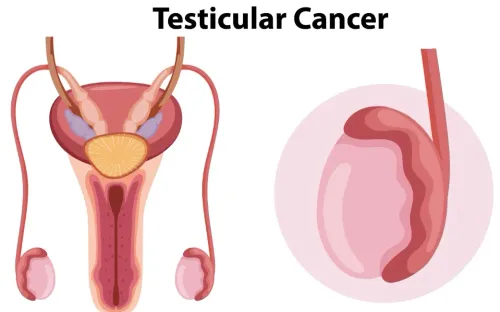
| New testicular lump or scrotal swelling | Arrange prompt medical review | Requires examination for inflammation, injury, fluid, or a tumour |
Emergency symptoms take priority over choosing a urologist or andrologist. Use emergency services first, then arrange specialist follow-up.
How long should you wait, and what exactly is the problem?
After one isolated episode following illness, exhaustion, heavy alcohol use, or an unusually stressful event, you do not always need immediate specialist care. Arrange a routine visit when the problem returns, occurs in more than occasional circumstances, persists over several weeks, or causes personal or relationship distress.
Use this checklist to identify the problem:
- Do not use a stopwatch to decide whether premature ejaculation needs treatment. The important features are ejaculation sooner than desired, little control, and persistent distress.
- Delayed ejaculation means ejaculation takes much longer than desired. Ejaculatory failure means you cannot ejaculate during partnered sex or masturbation.
- Painful ejaculation, recurring blood in semen, or an orgasm that is absent, markedly reduced, or different from usual warrants evaluation.
- Low sexual desire means reduced interest in sex. Erectile dysfunction means inadequate erection firmness or duration; both can occur together, but they require different questions and treatments.
- A new penile bend, hard plaque, penile shortening, painful erections, or difficulty with penetration merits urologic assessment for conditions such as Peyronie’s disease.
- Record whether erections occur during sleep or on waking, during masturbation, and with a partner. These patterns help assess vascular, hormonal, medication-related, psychological, and relationship-related contributors.
Why can a new sexual problem signal a wider health issue?
A new sexual problem can expose a health issue beyond sex. Age increases the likelihood of sexual symptoms, but it does not make them inevitable or harmless.
Diabetes and sexual problems often appear together, while high blood pressure, obesity, smoking, excess alcohol, sleep apnoea, depression, relationship stress, neurological disease, and vascular disease can affect erections, desire, orgasm, or ejaculation.
New erectile dysfunction can be an early sign of cardiovascular risk, including before cardiovascular disease is detectable. Ask your doctor to review:
- Blood pressure, glucose or diabetes risk, cholesterol, weight, smoking, sleep, and exercise.
- Antidepressants, finasteride, some blood-pressure medicines, opioids, and other medicines affecting sexual function.
- Low libido, fewer spontaneous or morning erections, fatigue, reduced muscle mass, testicular shrinkage, and infertility.
Low testosterone testing requires compatible symptoms or signs plus consistently low morning testosterone results. One low result taken at an unspecified time is not enough; clinicians generally repeat a morning total-testosterone test before diagnosing testosterone deficiency.
Do not start testosterone independently, especially while trying to conceive, because treatment can suppress sperm production. A broad hormone panel or imaging scan is not automatically needed for every sexual complaint. History, medicine review, physical examination, and selective testing guide the work-up. Semen analysis remains central when infertility is the concern.
What should you record before a urology or andrology appointment?
A short record will help you prepare for urologist appointment and give the clinician a usable sexual health history. Note the symptom’s start date, frequency, progression, and what happens during partnered sex, masturbation, and waking erections.
1. Record libido, erection firmness, ejaculation timing, ability to ejaculate, orgasm changes, pain, penile curvature, lumps, swelling, discharge, blood, urinary frequency, burning, weak flow, and difficulty passing urine.
2. Bring every medicine and dose, including antidepressants, finasteride, blood-pressure drugs, opioids, and supplements. Add tobacco, alcohol, and recreational drug use.
3. List diabetes, high blood pressure, obesity, sleep apnoea, depression, previous pelvic or testicular surgery, injuries, infections, chemotherapy, and fertility history.
4. State whether you want children, how long you have had regular unprotected intercourse without pregnancy, and whether your partner has been assessed. Seek fertility assessment after 12 months, or sooner after testicular problems, surgery, chemotherapy, or sexual dysfunction.
5. Expect questions about your sexual and medical history, a medicine and substance review, focused examination, and selective tests. Semen analysis, morning testosterone, urine testing, glucose testing, or scrotal imaging depends on the findings; abnormal semen results are commonly repeated.
6. Do not assume an imaging-visible varicocele requires varicocele treatment or surgery. A palpable varicocele with infertility and abnormal semen parameters is a different situation from an incidental scan finding.
Dr Zaffar Sayed Urologist can assess sexual symptoms alongside urinary, testicular, prostate, fertility, or surgical concerns.
Related services
Erectile Dysfunction (ED) is the inability of a man to achieve or maintain an erection sufficient for his or his partners sexual needs. View service → |
Male Infertility Male infertility is a man inability to cause pregnancy in a fertile female, commonly due to deficiency of sperm cells in the semen. View service → |
Frequently asked questions
Which specialist should you see for a sexual problem?
A urologist is the broadest first choice for erection, ejaculation, penile curvature, testicular, urinary, infection, prostate or structural problems. An andrologist focuses on male reproductive and sexual health and may be the right specialist for infertility, low testosterone or complex erectile and ejaculation concerns.
Which sexual symptoms need emergency care?
Seek emergency care for sudden severe testicular pain, a painful erection lasting four hours or longer, major penile or testicular injury, uncontrolled bleeding, or inability to urinate with severe pain or swelling.
How long should you wait before seeing a specialist?
Book an appointment for a new, persistent or recurring sexual problem rather than waiting for it to disappear. Seek urgent assessment for sudden testicular pain, injury, prolonged painful erection or acute urinary retention.
Why can a new sexual problem signal a wider health issue?
New erectile or ejaculation problems can accompany diabetes, cardiovascular disease, high blood pressure, hormone disorders, nerve disease, medication effects or psychological stress. A clinician can assess these causes instead of treating the symptom alone.
What should you record before a urology or andrology appointment?
Record when symptoms began, how often they occur, morning or spontaneous erections, erection firmness, ejaculation changes, pain, curvature, urinary symptoms, medicines, supplements, medical conditions and recent injuries or infections.